How Food Documentaries Get Made - From Pitch to Netflix Delivery
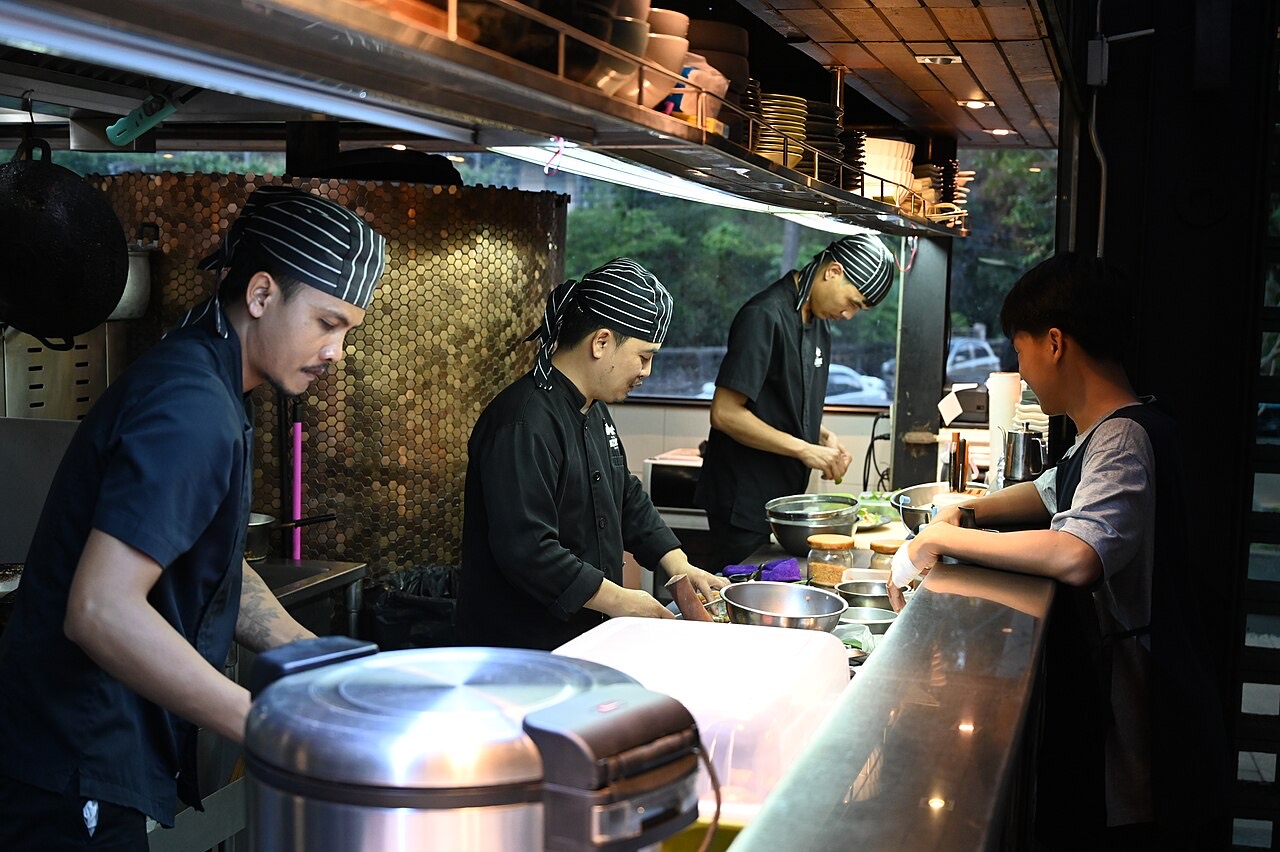
Photo: PattayaPatrol, CC BY-SA 4.0, via Wikimedia Commons
A food documentary moves through five stages - development, commissioning, pre-production, the shoot and post - and typically takes months to years from idea to screen. Platforms commission stories, not food footage, so the pitch lives or dies on characters and access rather than beautiful plates.
Every month someone asks us some version of the same question: I have an idea for a food show - how does this actually work? Having taken Chefs Uncut to Netflix and delivered Epic Food Journeys with Mark Wiens for National Geographic, here’s the honest map.
Stage one: development, where most ideas die
The brutal truth first: “food in place X” is not a show. Neither is “profiles of amazing chefs.” Food is the setting. The show is the story.
Development is the process of finding that story and proving it exists. For Chefs Uncut, the premise was never “Asian chefs cook well” - it was that Asia’s most creative chefs carry untold personal stories that explain their food, and nobody had given them the documentary treatment the West’s chefs get routinely. That’s a point of view. It implies characters, conflict and a reason to keep watching.
Development means research trips, phone calls, and above all access. Can you actually get the chef, the market, the country, on camera, saying real things? Access is the moat. A commissioner can buy an idea anywhere; they can only buy your access from you.
Stage two: the pitch and the commission
What you bring to a platform is usually a deck - the premise, the episodes, the characters, the tone - and ideally a taster or sizzle that proves the footage will feel the way the deck reads.
What are commissioners actually judging? In our experience, four things. Whether there’s a story engine that can sustain episodes. Whether the team can deliver to broadcast standard, on schedule, in difficult environments. Whether the access is real. And whether the timing means something - why this show, now.
When a commission comes, it comes with parameters: budget, episode count, delivery date, editorial guidelines. Sometimes generous, sometimes sporting. Epic Food Journeys gave us six countries and under ninety days. You say yes, then you engineer the yes.
Stage three: pre-production, the unglamorous 60 percent
Nobody makes films about pre-production, which is ironic, because it’s where documentaries are actually won. Fixers hired in every territory. Contributors researched, approached, and pre-interviewed. Permits, visas, carnets for the gear. Story outlines per episode - loose enough for reality to surprise you, tight enough that no shoot day is wasted discovering what the episode is about.
Food adds its own layer of logistics, because kitchens are genuinely hostile film sets. They’re cramped, loud, 40 degrees at the pass, and staffed by people doing their real job under real pressure. You don’t get take two of a dish that took eight hours. Pre-production is how you’re standing in the right place with the right lens when the only take happens.
Stage four: the shoot
Our philosophy, refined across both series: small crews, senior people, food first. A three-person unit gets invited deeper than a fifteen-person unit - into the family kitchen, the 4 a.m. market run, the conversation after service when the truth comes out.
Shooting food itself splits into two disciplines. The beauty work - the steam, the pull shots, the sizzle - rewards patience and lighting. The documentary work rewards the opposite: speed, instinct, and the discipline to keep rolling through the moment instead of resetting it. The great food films are edited from the second kind of footage and seasoned with the first, not the other way around.
Stage five: post, where the show is actually written
Documentary is written three times: in development, on the shoot, and finally - decisively - in the edit. Hundreds of hours of rushes become episodes through months of structuring, restructuring and arguing about what the story was all along.
Sound and colour do more than viewers ever notice. A consistent grade is what makes six countries feel like one series instead of six travelogues. Sound design is what makes a bowl of noodles land emotionally at 11 p.m. on a laptop. Then comes delivery: the platform’s QC specs, versioning, subtitles and paperwork. Less romantic than the jungle foraging. Just as mandatory.
What we’d tell you if you pitched us
Bring characters, not cuisines. Prove your access. Know your budget honestly. And know what the show feels like - commissioners buy feelings backed by logistics.
If you’re a platform or brand with a story in this space, or a producer looking for a co-production partner who has delivered at speed, that’s exactly what we do. Meanwhile, both of our series are watchable proof of everything above: Chefs Uncut on Netflix and SBS, and Epic Food Journeys free on Nat Geo’s YouTube channel.
Frequently asked questions
How long does it take to make a food documentary series?
Development can take months to years, but production itself can move fast with the right team. CreatorsLab delivered Epic Food Journeys, a six-country National Geographic series, in under three months from commission.
What do platforms like Netflix look for in a food show pitch?
A story and characters first - food alone is not a premise. Commissioners want a clear point of view, access nobody else can get, proof the team can deliver, and a reason the show matters now.
Do you need a big crew to film in restaurants?
Usually the opposite. Working kitchens are cramped, hot and mid-service, so small senior crews get better material - and better access - than large units that disrupt the room they're trying to document.

