The Food Brand Video Playbook for 2026 - What Actually Performs
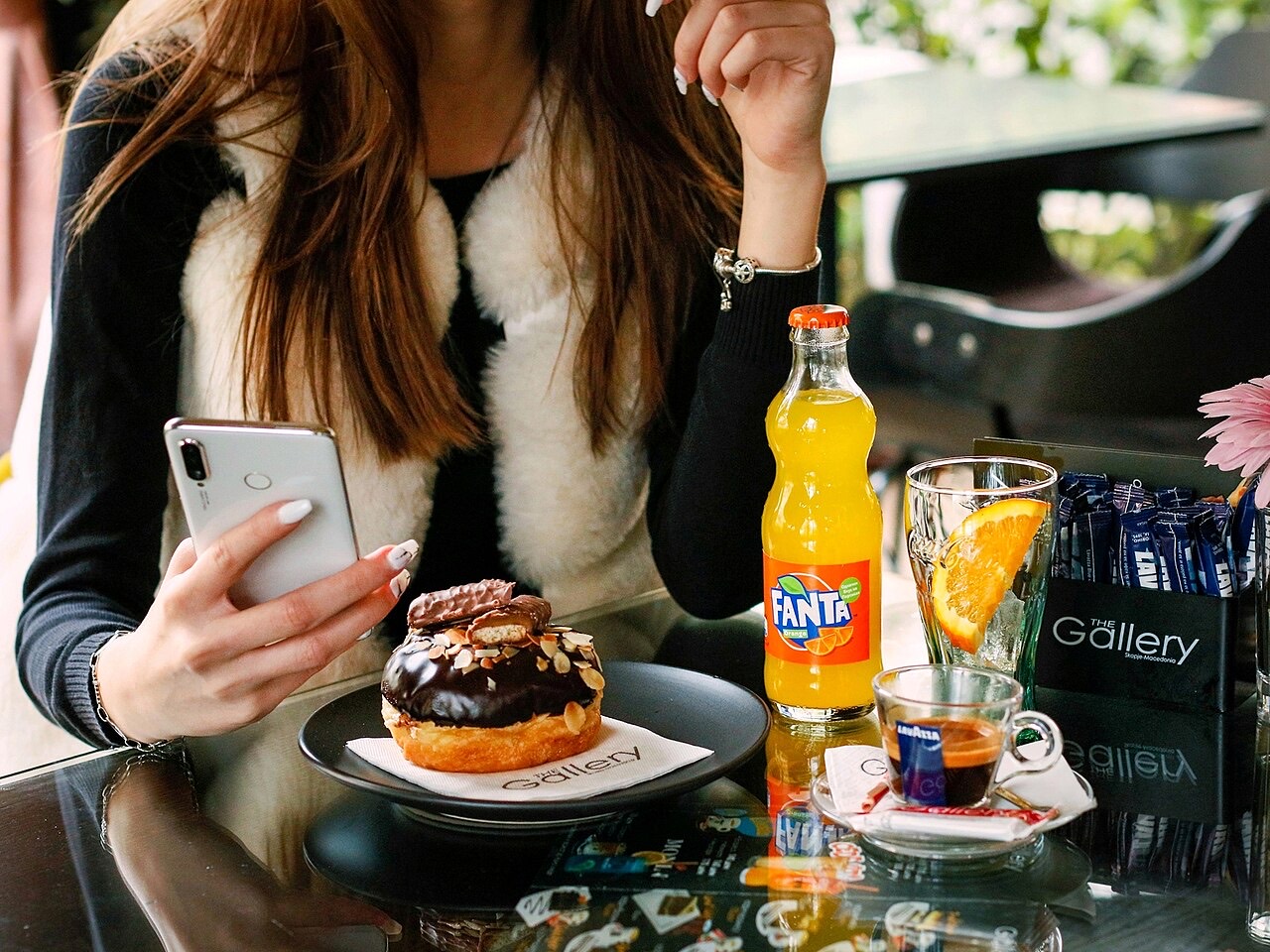
Photo: TheGalleryCaffee, CC BY-SA 4.0, via Wikimedia Commons
Food video performs in 2026 when it hooks in the first second, leads with texture and sound rather than polish, and is published at a cadence the team can actually sustain. The most common failures are over-produced ad-style content, ignoring captions and local search, and chasing trends a week late.
We spend most of our year making food look irresistible for platforms like Netflix and National Geographic, and a question keeps arriving from brands and restaurateurs: why do our videos not perform? Usually we can tell them within ten seconds of watching one. The problems repeat, and so do the fixes. Here is the playbook, free, from a team with no course to sell you.
The first second is the whole game
Feed algorithms in 2026 are ruthless about one metric above all: does the viewer stay past the first moments? That verdict happens before your logo animation finishes. So kill the logo animation.
Open on the single most appetising or surprising frame you have. Cheese pull, cleaver through crackling, the ladle hitting the broth, the flame. Questions work too - an on-screen line that creates an itch (“this dish sells out by 7pm every day”) - but appetite is the more reliable instinct. You are not making an ad with a payoff at the end. On short-form, the payoff goes first, and the video explains it.
Texture beats polish
Here’s the uncomfortable truth for anyone who spent money on a glossy brand video: over-produced food content underperforms. Audiences have developed a precise radar for advertising, and they scroll past it reflexively.
What stops the thumb is texture and truth. Steam that behaves like steam. The sound of the actual kitchen, not a licensed track drowning it. Hands that clearly belong to someone who does this every day. Our documentary work taught us this years ago: the most rewatched moments are never the beauty shots, they’re the real ones. Shoot close, shoot honest, let the food make its own noise.
Native sound deserves special mention. Watch performing food content with your eyes closed and it still works - the sizzle, the crunch, the scrape of the wok. Sound design is half of appetite. If your videos are silent footage with music pasted on, that’s fixable this week.
Pace for the platform, not for your taste
The same dish should not be cut the same way for TikTok, Reels and YouTube. Short vertical video wants faster cuts, tighter framing, on-screen text doing narrative work, and a loop-friendly ending. YouTube rewards a slower build and an actual story. Posting one export everywhere reads as exactly that.
Captions are not decoration either. They’re accessibility, they’re the majority of viewers watching muted, and they’re search - platforms increasingly index spoken and written words in video. Say the dish’s name out loud, write it on screen, and put it in the caption text with your neighbourhood and city. Local search is quietly one of short-form’s biggest gifts to physical restaurants.
A cadence you can sustain
The graveyard of restaurant social accounts is full of heroic first months. Fourteen posts, then silence.
Design your cadence backwards from your kitchen’s real capacity. For most independent operations, that’s a batch-shooting rhythm: one or two hours a week with a phone and a plan, capturing three to five short videos’ worth of material - a dish build, a team moment, a texture study, something seasonal. Consistency compounds. The account posting three honest videos a week for a year beats the one that sprinted and stopped, every time.
Common mistakes to strike off your list while you’re at it: reposting watermarked content from other platforms (algorithms suppress it), chasing a trend more than a week old, posting only finished plates with no process or people, and treating comments as a chore - replies are free reach.
When to bring in professionals
Everything above, your team can do in-house, and should - nobody can be closer to the food than the people cooking it daily.
Where a production partner earns its fee is the layer above: the brand film that anchors a launch, the branded series that gives people a reason to care about your story, the campaign work where craft is the difference between being watched and being skipped. The bar for that tier keeps rising, because audiences now watch broadcast-quality food content free all day.
That layer is what we build for brands - the same team behind Chefs Uncut and Epic Food Journeys, applied to your story. When you’re ready for it, talk to us. Until then: phone, texture, sound, first second. Go.
Frequently asked questions
What makes food videos perform on TikTok and Reels?
The first second decides everything - lead with the most appetising or surprising frame, not a logo. Texture and real sound (sizzle, steam, the pull, the crunch) consistently outperform polished ad-style footage.
How often should a food brand post video?
The honest answer is whatever cadence you can sustain for six months without quality collapsing. Three good short videos a week beats a daily grind that burns out your team by week five.
Should we hire a production company or shoot in-house?
Both, at different layers. Day-to-day social video is best owned in-house close to the kitchen, while campaign films, branded series and anything carrying your brand's big moments benefit from professional craft.