
What to Eat in Dakar - Senegal's Food, from Thieboudienne to Café Touba
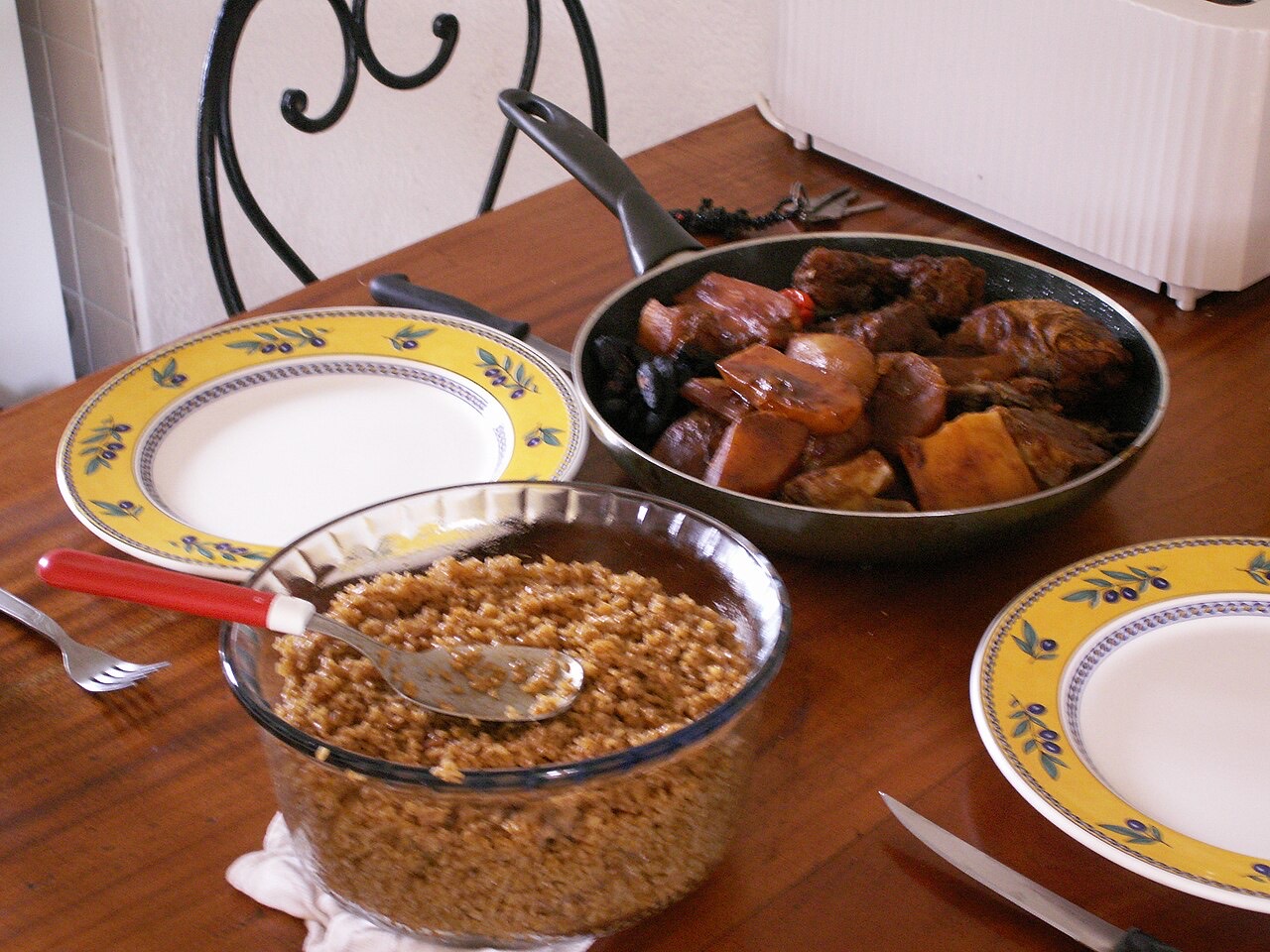
Photo: KVDP, public domain, via Wikimedia Commons
Senegal's essential dishes start with thieboudienne (ceebu jën), the national one-pot fish and rice recognised by UNESCO, followed by poulet yassa with its onion-lime sauce, peanut-based mafé, grilled dibi from roadside stalls, pastels, and café Touba to drink. In Dakar, eating is communal - one platter, many spoons, and the hospitality culture known as teranga.
Of the six countries we filmed for Epic Food Journeys with Mark Wiens, Senegal is the one people ask us about most. Partly because the episode - 24 hours of eating through Dakar - moves at a sprint. Mostly because West African food remains the great under-covered cuisine of food television, and everyone who watches wants to know: is it really like that?
It’s really like that. Here’s the primer we wish we’d had before the shoot.
Begin with teranga
You can’t explain Senegalese food without the word teranga. It’s Wolof, usually translated as “hospitality,” but it functions as something closer to a national constitution. A guest must be welcomed, and welcoming means feeding. On our shoot, strangers whose names we never learned insisted the crew join their lunch platter. Twice. On working days. That’s not a charming anecdote in Senegal; it’s Tuesday.
Teranga also explains the shape of the food. Most meals are communal - one vast platter, everyone around it, each person eating the wedge of territory in front of them with a spoon or the right hand. The etiquette is real: stay in your zone, and expect the host to flick the best pieces of fish toward you, because that’s the job of a host.
Thieboudienne, the one-pot masterpiece
The national dish - thieboudienne, or ceebu jën in Wolof, “rice with fish” - is one of the world’s great one-pot recipes and carries UNESCO Intangible Cultural Heritage status to prove it. Fish stuffed with a parsley-garlic paste called roff, simmered in tomato with vegetables - cassava, carrot, cabbage, bitter eggplant - over broken rice that drinks the entire operation. The crust of rice from the bottom of the pot is called xoon, and fighting over it is traditional.
Every household defends its own version. Ask three Dakarois where the best thieboudienne is and you’ll get three mothers’ addresses.
The rest of the table
Yassa - chicken or fish smothered in a sharp, slow-cooked sauce of onions, lemon and mustard - originates in the Casamance region in the south and might be the most immediately loveable dish in the repertoire. Mafé is the peanut stew, meat simmered in a rich groundnut sauce over rice, comfort food across the whole Sahel. Dibi is the street carnivore’s ritual: mutton grilled over charcoal at roadside stalls, hacked into pieces, served on butcher paper with raw onion and fierce mustard, eaten with your hands and zero ceremony.
Snacks matter too. Pastels are little fried fish-stuffed pastries with a chilli dipping sauce. Accara, black-eyed pea fritters, come wrapped in newspaper with kaani sauce. For something sweet, thiakry is a chilled dessert of millet couscous folded with sweetened yogurt.
What you’ll be drinking
Café Touba is Dakar in a cup: coffee spiced with grains of Selim, sweetened hard, sold from carts and thermoses everywhere for next to nothing. It’s tied to the Mouride Sufi brotherhood and the holy city of Touba, and it fuels the entire country. Alongside it, bissap (hibiscus juice, deep crimson and tart) and bouye (creamy baobab-fruit juice) are sold chilled in bags and bottles on every street. And the ceremony of attaya - green tea brewed three rounds, each sweeter than the last, poured theatrically from height - is less about tea than about the hour of conversation it obligates.
Where to eat in Dakar
The fish markets are the city’s engine room - the beach market at Soumbédioune, where pirogues land the day’s catch and grills fire up at dusk, is the classic evening move. Downtown, the colonial-era Marché Kermel sells produce and flowers under a beautiful ironwork hall, and the sprawl of Marché Sandaga will sell you everything else. For meals, the humble tangana canteens and family-run restaurants deliver the real repertoire; anywhere serving a communal platter at lunch is doing it properly.
Notes from the shoot
Eat with your right hand if you’re eating by hand. Accept the tea; the second glass is better than the first and refusing has a social cost. Portions are an act of teranga, so pace yourself - the platter always holds more than it appears to. And carry small change for café Touba, because you’ll want another within the hour.
The Dakar episode of Epic Food Journeys is streaming free on National Geographic’s YouTube channel. Watch Mark attempt 24 hours of it, then go collect your own platter. More guides live in stories.
Frequently asked questions
What is Senegal's national dish?
Thieboudienne (also written ceebu jën), a one-pot dish of fish, broken rice and vegetables simmered in a tomato base. It was inscribed on UNESCO's Intangible Cultural Heritage list in 2021 and is eaten communally from a shared platter.
What does teranga mean?
Teranga is the Wolof word for Senegal's culture of hospitality - the obligation and the joy of welcoming guests, most visibly expressed by feeding them. Senegal's national football team is nicknamed the Lions of Teranga.
What should I drink in Dakar?
Café Touba, a spiced coffee flavoured with grains of Selim pepper, sold sweet and cheap on nearly every street. Bissap (hibiscus) and bouye (baobab fruit) juices are the other everyday essentials.
