How We Made Epic Food Journeys with Mark Wiens in 90 Days
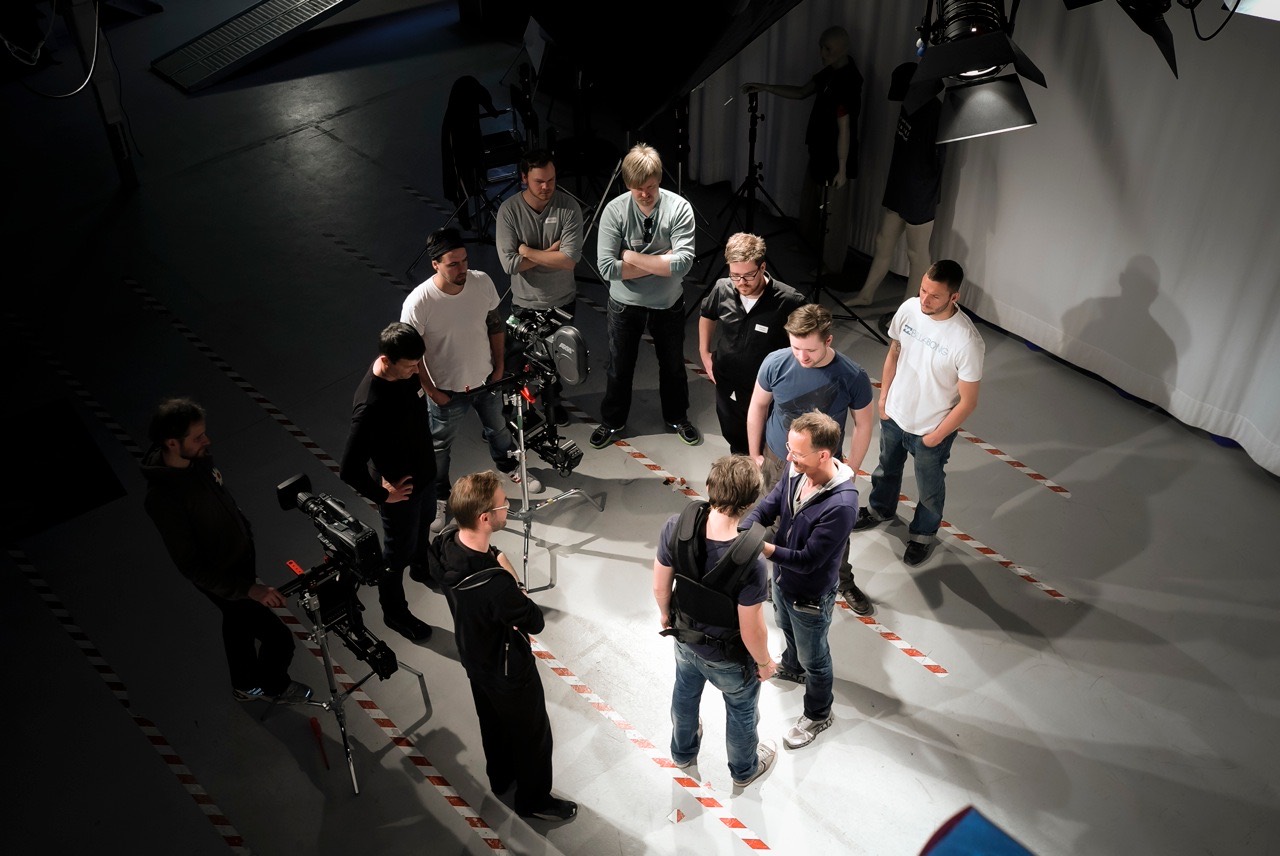
Photo: Christian R. F. Schaller, CC BY 3.0, via Wikimedia Commons
Epic Food Journeys with Mark Wiens was produced by CreatorsLab for National Geographic in under three months, from commission to delivery. The six-episode season was filmed in Jamaica, Mexico City, New York, Istanbul, Senegal and Pakistan, and became one of Nat Geo's highest-performing series on YouTube.
When National Geographic commissioned Epic Food Journeys with Mark Wiens, the brief came with a catch. Six episodes. Six countries. Broadcast standard. And a delivery date that gave us less than ninety days from the first call to final files.
Most production companies would tell you that’s a scheduling problem. We treated it as a design constraint, and it ended up shaping everything good about the show.
Small crews travel fast
You cannot move a traditional documentary unit through Jamaica, Mexico City, New York, Istanbul, Senegal and Pakistan in a single quarter. Freight alone would eat the calendar. So we didn’t try.
Each shoot ran with a deliberately small crew, built around people who could each do more than one job. The camera team shot and lit. Producers fixed, directed and logged. Everyone carried something. What you lose in coverage you gain in speed, and in something more valuable: access. A three-person unit can stand in a working kitchen during service. A fifteen-person unit gets asked to wait outside.
That access is the show. The foraging sequences in remote countryside kitchens, the 24-hour street food marathon in Dakar, the late-night cookshops in Kingston - none of it happens if the crew is bigger than the kitchen.
Pre-production is where the time is won
The shooting schedule looked reckless on paper. It wasn’t, because the unglamorous work happened before anyone boarded a plane.
Local fixers were locked in every territory before the first flight. Every market, stall and family kitchen was scouted, either in person or through fixers we trusted enough to make judgement calls. Story outlines were written per episode, loose enough to leave room for the accidents that make documentary worth watching, tight enough that no shoot day was spent wondering what the episode was about.
We also planned the edit before the shoot. Knowing roughly how each episode would cut meant shooters knew which moments needed coverage and which needed one honest shot. When the deadline is this tight, every setup you don’t need is time you get back.
Working with Mark
Mark Wiens has spent well over a decade eating on camera, and it shows in the practical things. He needs one take. He finds the person behind the food without being pointed at them. And he genuinely wants to be there, which no amount of directing can fake.
Our job was mostly to build the frame around that and stay out of the way. The rule on set was simple: the food and the people come first, the shot comes second. If the jerk pit is ready, you shoot it now, not after the lighting is perfect. Steam doesn’t wait, and neither do cooks in the middle of service.
Six countries, one look
Shooting fast across six wildly different places, the risk is that the series looks like six different shows. The grade and the sound design are what hold it together.
We built a single visual grammar early - how night markets should feel against daytime kitchens, how close the camera lives to the food, how much of the frame belongs to the people rather than the plates. In the edit, that meant episodes cut in Istanbul and Kingston still feel like siblings. The colour pipeline ran in parallel with the offline edit rather than after it, which saved weeks.
What we’d tell anyone attempting this
A ninety-day delivery on a six-country series is not a hack. It works when three things are true: the format is clear before you shoot, the crew is small and senior, and the people commissioning the work trust you to make decisions without a committee. National Geographic gave us that trust, and the result became one of their highest-performing series on YouTube, picking up a Webby Award and a Shorty Awards nomination along the way.
The season is streaming free on Nat Geo’s YouTube channel - start with the show page to see where each episode goes. And if you’re a platform or brand wondering whether your project can move this fast, that’s a conversation we enjoy.
Frequently asked questions
How long did Epic Food Journeys take to make?
The full six-episode first season went from commission to delivery in under three months, an unusually fast turnaround for a broadcast-quality series shot across six countries.
Where was Epic Food Journeys filmed?
Season one was filmed in Jamaica, Mexico City, New York, Istanbul, Senegal and Pakistan. Each episode follows Mark Wiens through one food culture.
Who produced Epic Food Journeys with Mark Wiens?
The series was produced by CreatorsLab, a Singapore-based food content production company, as a National Geographic YouTube Original.
