
Asia's Most Creative Chefs - Eight Kitchens Rewriting the Rules
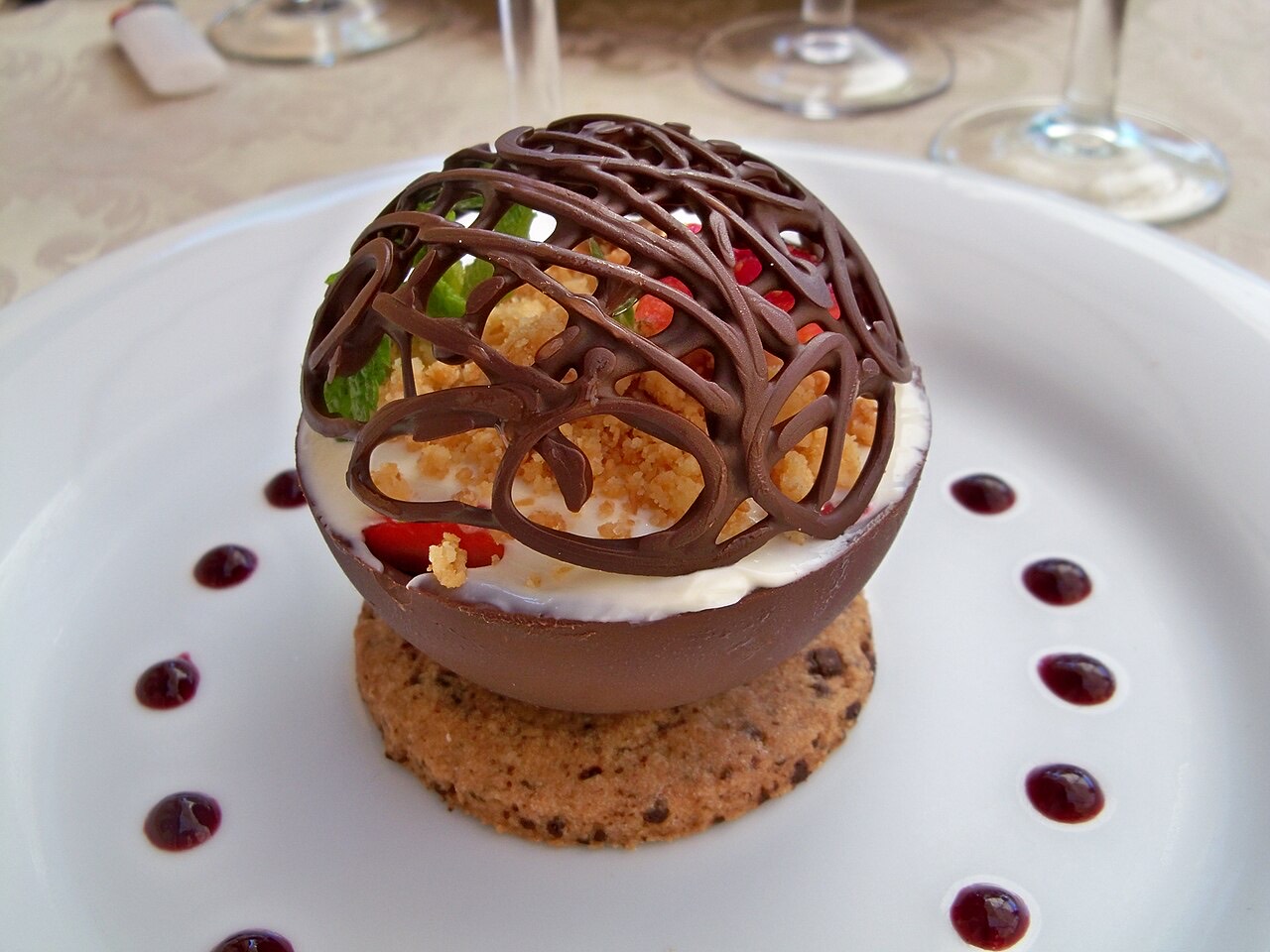
Photo: Marianne Casamance, CC BY-SA 3.0, via Wikimedia Commons
Asia's kitchens are producing the most inventive cooking in the world right now, from Gaggan Anand's progressive Indian tasting menus in Bangkok to Jay Fai's Michelin-starred street food and Zaiyu Hasegawa's playful modern kaiseki in Tokyo. This is the creative energy that led CreatorsLab to make Chefs Uncut.
We made Chefs Uncut because of a conviction: the most exciting cooking in the world right now is happening in Asia, and its chefs deserve the world’s stage. Whenever someone asks us to defend that claim, these are some of the names we reach for.
To be clear, this is a list about creative force, not a ranking, and it’s separate from the chefs featured in our series. Consider it a map of why this region keeps pulling our cameras back.
Gaggan Anand - Bangkok
The obvious place to start. Gaggan’s progressive Indian restaurant held the number-one spot on Asia’s 50 Best Restaurants four years in a row, and his tasting menu written entirely in emoji remains one of the most famous provocations in modern gastronomy. Beneath the showmanship - lick-the-plate courses, playlists as menu structure - is a serious argument: that Indian food can be as avant-garde as anything in Copenhagen, without apologising for its flavours.
Supinya “Jay Fai” Junsuta - Bangkok
Creativity doesn’t require tweezers. Jay Fai has spent decades over roaring charcoal in her Bangkok shophouse, ski goggles down, turning out crab omelettes so precise they earned a Michelin star - street food cooked with the discipline of a grand kitchen. Her stall is a rebuke to anyone who thinks innovation only happens on tasting menus, and the hardest reservation-slash-queue in the city.
Zaiyu Hasegawa - Tokyo
At Den, Hasegawa takes kaiseki - Japan’s most formal, rule-bound culinary tradition - and fills it with jokes. His “Dentucky Fried Chicken” arrives in a takeaway-style box; the famous garden salad hides an emoji-faced carrot. It would be a gimmick if the cooking weren’t so flawless. Instead it’s something rarer: a chef proving that Japanese fine dining can be warm, funny and personal without losing a gram of rigour.
Natsuko Shoji - Tokyo
Shoji’s tiny restaurant été built its reputation on a fruit tart - mango arranged like a Van Gogh, fashion-house aesthetics applied to pâtisserie. Named Asia’s Best Pastry Chef and later Asia’s Best Female Chef, she runs one of the world’s most exclusive small rooms and represents a generation of Japanese chefs who treat couture, art and dessert as one discipline.
Julien Royer - Singapore
Odette, Royer’s restaurant at Singapore’s National Gallery, holds three Michelin stars and a permanent place in the world’s-best conversations. A French chef cooking in Asia might seem like an odd entry here, but that’s the point about Singapore: the city’s creative gravity now pulls the world’s best cooks to it, and Royer’s produce-obsessed cooking - named for his grandmother - has become part of the region’s fabric.
Vicky Lau - Hong Kong
A former graphic designer, Lau runs Tate Dining Room around the idea of each dish as an “edible story” - an ode to an ingredient, plated with a designer’s eye. Named Asia’s Best Female Chef, she has built one of the most quietly influential kitchens in the region, and her exploration of French-Chinese gastronomy (including a project dedicated entirely to soy) shows how personal fine dining in Asia has become.
Vicky Cheng - Hong Kong
Cheng’s work at VEA and Wing is a running argument that Chinese ingredients belong at gastronomy’s top table on their own terms. His signature obsession is the sea cucumber - a texture-driven, deeply Chinese ingredient he spent years learning to master through French technique. The result is cooking that is neither fusion nor tribute, but a genuine third language.
Pichaya “Pam” Soontornyanakij - Bangkok
At Potong, in a century-old family building in Bangkok’s Chinatown, Pam cooks progressive Thai-Chinese food built on her family’s five generations in the neighbourhood - and has collected some of the region’s highest honours doing it, including being named Asia’s Best Female Chef. Her rise captures where the region is heading: deeply personal heritage, executed with world-class technique, told as story.
Why this list keeps growing
Ten years ago a list like this would have strained to leave the obvious capitals. Now it strains to stay at eight - we haven’t touched Seoul’s new wave, Taipei, Manila, or the young Indian chefs rethinking regional cuisines. That’s the energy Chefs Uncut was built to capture: not a scene, but a continent hitting its creative stride at once.
The series streams on Netflix and SBS. For more chef stories from our kitchens and shoots, stay in stories.
Frequently asked questions
Who is considered the most creative chef in Asia?
There's no single answer, but Gaggan Anand is the name most often cited - his progressive Indian restaurant in Bangkok topped Asia's 50 Best Restaurants list four years running, and his emoji-only tasting menu remains one of modern gastronomy's most famous provocations.
Does street food count as creative cooking in Asia?
Absolutely. Bangkok's Jay Fai earned a Michelin star cooking over charcoal in a shophouse, proof that creativity in Asia lives as much in street kitchens as in tasting-menu restaurants.
Are these chefs featured in Chefs Uncut?
This list is separate from the series. Chefs Uncut tells the untold personal stories of top chefs across Asia - stream it on Netflix or SBS to meet the chefs we filmed.
